
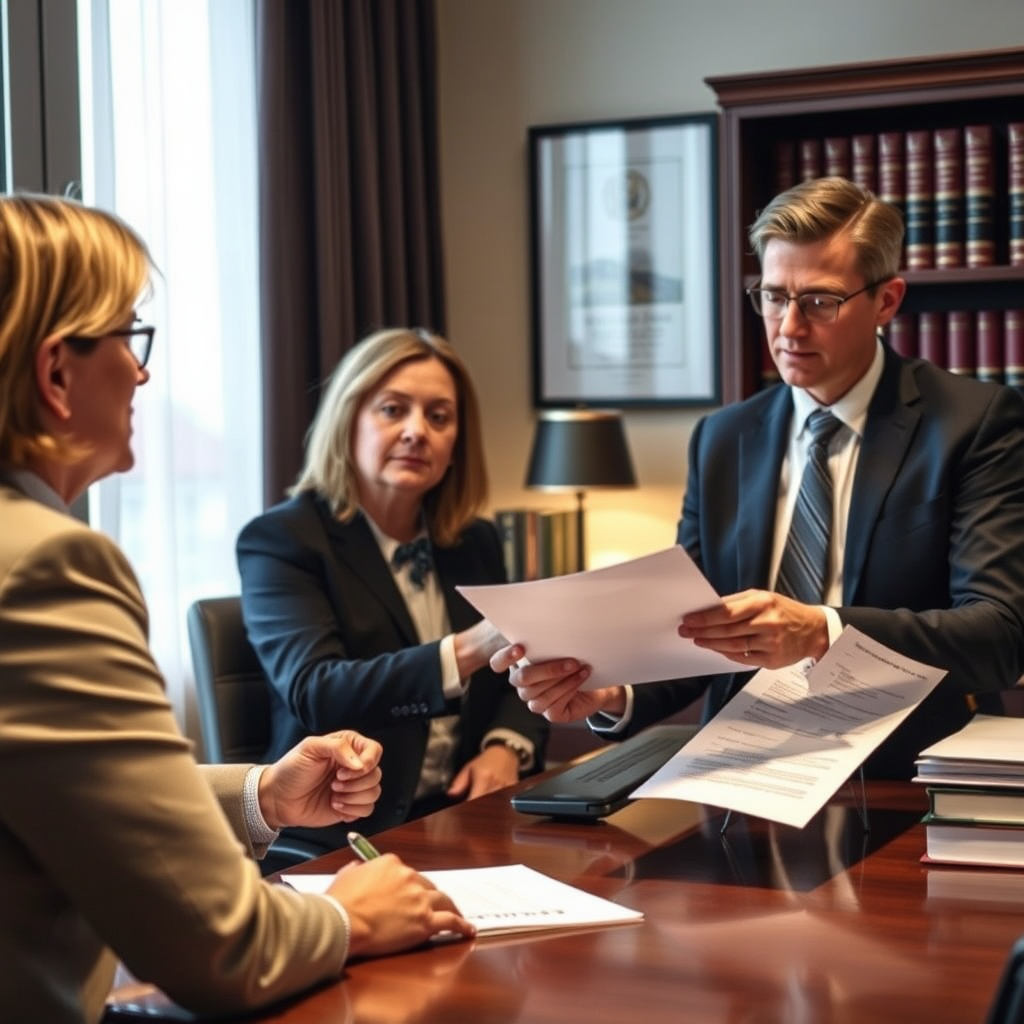
AI Service Agreement Lawyer in Virginia: Protect Your Business with Seasoned Counsel
As of December 2025, the following information applies. In Virginia, an AI service agreement involves drafting and reviewing legal contracts for artificial intelligence technologies and services. This includes ensuring data privacy, intellectual property protection, and compliance with state and federal regulations. The Law Offices Of SRIS, P.C. provides dedicated legal representation for these matters.
Confirmed by Law Offices Of SRIS, P.C.
What is an AI Service Agreement Lawyer in Virginia?
Building an innovative business, especially one integrating cutting-edge AI or offering AI-powered services, is exciting. But let’s be practical: new technology brings unique legal questions. An AI service agreement lawyer in Virginia is your dedicated legal partner who understands the specific intersection of artificial intelligence, contract law, and your business needs within the Commonwealth. They don’t just handle contracts; they deeply understand how AI functions, its implications for data, intellectual property, and liability, then craft agreements that truly protect your interests.
A standard contract lawyer might overlook the nuances of an AI model’s training data, algorithmic bias, or how future regulations could impact your agreement. An AI service agreement lawyer is equipped to identify these potential pitfalls. They work to create solid, forward-thinking contracts addressing the deployment, use, maintenance, and ownership of AI systems and data. This proactive approach helps you avoid costly disputes, ensuring your business innovates with confidence, knowing its legal foundations are robust.
Blunt Truth: Relying on generic contract templates for AI services is inadequate. It simply won’t offer the specific protections your advanced technology requires in Virginia’s dynamic legal environment.
Takeaway Summary: An AI service agreement lawyer in Virginia provides specialized legal counsel to draft, review, and negotiate contracts specifically tailored to artificial intelligence services, safeguarding your business from unique technological and legal risks. (Confirmed by Law Offices Of SRIS, P.C.)
How to Secure a Robust AI Service Agreement in Virginia?
Getting your AI service agreements right is foundational for your business’s future. It might seem daunting, but breaking it down makes it manageable. Here’s how you can approach securing a comprehensive and protective AI service agreement in Virginia, with experienced legal counsel by your side.
Define Your AI Project’s Specific Scope and Purpose
Before any legal drafting, be absolutely clear on your AI project’s nature. Are you licensing, developing, or providing AI as a service? What data will it consume or generate? What are its intended functions and limitations? Pinpointing these details is essential as they directly inform the necessary contract clauses. Clearly articulating your project’s technical and operational details to your legal team forms the bedrock of an effective agreement.
Safeguard Intellectual Property Rights: Who Owns What?
AI’s intellectual property can be intricate. Is the AI itself IP? What about its training data or outputs? Does it use open-source components? A strong AI service agreement must explicitly define ownership, licensing, and usage rights for all intellectual property, from algorithms and code to datasets and derived models. Clearly outlining these provisions prevents future disputes over who profits from or controls the AI system and its results. Specificity in black and white is critical here.
Address Data Privacy and Security Requirements
This step is non-negotiable, especially with AI systems processing vast amounts of information. Your agreement needs strong clauses detailing how data will be collected, stored, used, shared, and protected. This includes compliance with Virginia’s Consumer Data Protection Act (CDPA), federal regulations, and industry mandates. The contract should outline encryption, access controls, breach notifications, and audit rights. It’s about building a robust shield around your AI’s data interactions.
Define Liability and Indemnification: Who Bears the Risk?
AI systems aren’t perfect; errors, biases, or unintended consequences can lead to harm or losses. Your AI service agreement must clearly allocate liability. Who is responsible if the AI makes a costly mistake, or a data breach occurs? Indemnification clauses protect parties by requiring compensation for specific losses. This clarity is vital for risk management. You want responsibilities predefined for when things go sideways, saving you from legal uncertainty.
Establish Clear Termination and Exit Strategies
Even successful partnerships end. A well-crafted AI service agreement plans for its conclusion, outlining conditions for termination like breach of contract or mutual agreement. More importantly, it details the “exit strategy.” How will data be returned or destroyed? What happens to licensed technology? How do intellectual property rights revert or transfer? Defining these steps prevents messy, prolonged disputes and ensures a smooth transition, protecting your business interests when a relationship concludes.
Ensure Compliance with Virginia and Federal Regulations
The legal landscape for AI is ever-evolving. Your agreement needs to reflect current laws and, where possible, anticipate future changes. This includes specific Virginia statutes, broader federal laws, and potentially international regulations if your AI operates globally. A seasoned AI service agreement lawyer ensures your contract adheres to all applicable legal frameworks, from consumer protection to anti-discrimination. This is an ongoing commitment to legal soundness, not a one-time check.
Negotiate Key Terms and Conditions: Advocate for Your Interests
Don’t just accept terms. Every clause in an AI service agreement is negotiable, from pricing and service level agreements (SLAs) to dispute resolution and modification rights. Engaging seasoned legal counsel means you have an advocate who understands market standards and your needs. They identify unfavorable terms, propose alternatives, and negotiate on your behalf to secure an agreement that is fair, balanced, and serves your business objectives. This is where a knowledgeable lawyer genuinely makes a difference, turning potential disadvantages into strategic advantages.
Implement Robust Dispute Resolution Mechanisms
While no one wants disputes, smart businesses prepare for them. Your AI service agreement should include clear mechanisms for resolving disagreements, such as mediation, arbitration, or specific court jurisdiction. This helps avoid protracted and expensive litigation. Defining these steps upfront ensures that if a conflict arises, there’s a structured, efficient path to resolution, allowing you to return to business with minimal disruption. It’s pragmatic planning for all possibilities, ensuring a clear path forward.
Can I Trust AI Contracts to Protect My Business in Virginia?
It’s completely understandable to feel some apprehension about relying on contracts for something as rapidly evolving as artificial intelligence. You might wonder, “Are these agreements truly enforceable? Will they hold up if an AI system causes an unexpected problem? What if the technology advances beyond the original contract’s scope?” These are valid concerns, and the direct answer is: yes, you absolutely can trust AI contracts to protect your business in Virginia, provided they are drafted with foresight, precision, and a deep understanding of both technology and the law.
The core challenge isn’t generally the enforceability of contracts in Virginia courts—they routinely uphold valid agreements. The real issue is ensuring the contract itself is *sufficiently robust and comprehensive* to address AI’s unique facets. Generic contracts frequently fall short because they don’t anticipate issues like algorithmic bias, data provenance, the fluid nature of AI capabilities, or who bears responsibility when an autonomous system makes a flawed decision. Without careful consideration of these factors, your business could be exposed to significant legal and financial risks.
Consider this: if your business uses a third-party AI-powered service, and that AI inadvertently processes customer data in a manner violating Virginia’s privacy laws, who is accountable? Is it your business, the AI provider, or both? A meticulously drafted AI service agreement explicitly defines these responsibilities, including indemnification clauses protecting your company in such scenarios. It will also outline clear standards for data security, performance metrics, and the resolution of disputes stemming from AI’s operational specificities.
Building trust in your AI contracts hinges on thorough, specialized legal counsel. An attorney seasoned in technology law and familiar with AI will anticipate these complexities. They’ll work to include provisions for future technological advancements, intellectual property ownership of AI-generated content, and detailed frameworks for data governance. This proactive approach transforms potential liabilities into managed risks, giving you confidence that your legal safeguards are as advanced as the AI you’re implementing. Don’t let AI’s novelty compromise the quality of your legal protections.
Why Hire Law Offices Of SRIS, P.C. for Your AI Service Agreement Needs?
When dealing with something as intricate and forward-looking as AI service agreements, leaving anything to chance isn’t an option. You need a legal team that deeply understands both the nuances of Virginia contract law and the technical aspects of artificial intelligence. At Law Offices Of SRIS, P.C., we bring that essential blend of legal knowledge and technological awareness to the table, helping businesses like yours secure their future.
Mr. Sris, our founder, has always prioritized a hands-on approach to challenging legal matters. As he puts it: “My focus since founding the firm in 1997 has always been directed towards personally taking on the most challenging and intricate criminal and family law matters our clients face. I find my background in accounting and information management provides a unique advantage when taking on the intricate financial and technological aspects inherent in many modern legal cases. As someone deeply involved in the community, I believe it’s important to not only practice law but also to actively participate in shaping it, which is why I dedicated effort towards amending Virginia Code § 20-107.3 and achieving state recognition for cultural milestones.” This quote highlights a pragmatic approach coupled with a profound grasp of technology’s role in contemporary legal cases – making it an ideal fit for AI service agreements.
Our firm offers more than just document drafting; we provide strategic counsel. We’ll collaborate closely with you to understand your specific AI initiatives, pinpoint potential legal vulnerabilities, and craft agreements that are both legally sound and commercially practical. Whether you’re a startup developing groundbreaking AI or an established business integrating AI solutions, we’re here to ensure your contracts provide robust protection.
Law Offices Of SRIS, P.C. has locations in Virginia in Fairfax. You can reach our Fairfax location at:
4008 Williamsburg Court, Fairfax, VA, 22032, US
Phone: +1-703-636-5417
We’re ready to discuss your needs and provide the experienced representation you deserve for your AI service agreements. Don’t wait until a problem arises; get proactive legal protection now.
Call now for a confidential case review and let’s safeguard your AI endeavors.
Frequently Asked Questions About AI Service Agreements in Virginia
Q: What is the main purpose of an AI service agreement?
An AI service agreement’s main purpose is to clearly define the terms, conditions, and legal protections for the development, deployment, or use of artificial intelligence technologies. It safeguards intellectual property, addresses data privacy, and allocates liability among parties involved in AI projects in Virginia.
Q: Do I need a lawyer for a simple AI software license?
Even for seemingly simple AI software licenses, consulting a lawyer is prudent. AI technology often involves intricate issues like data usage, algorithmic bias, and intellectual property that generic licenses might not cover adequately, potentially exposing your Virginia business to unforeseen risks.
Q: How does Virginia law affect AI service agreements?
Virginia law, particularly the Consumer Data Protection Act (CDPA), directly impacts AI service agreements by imposing requirements for data privacy, consent, and security. Additionally, general contract principles in Virginia govern enforceability, dispute resolution, and liability clauses within these agreements.
Q: What are the biggest risks without an AI service agreement?
Without a proper AI service agreement, your Virginia business risks unclear intellectual property ownership, data breaches, undefined liability for AI errors, and non-compliance with privacy regulations. This can lead to costly disputes, financial losses, and significant reputational harm.
Q: Can an AI agreement protect against future tech changes?
A well-drafted AI service agreement can include provisions for future technological changes through clauses addressing updates, modifications, and evolving standards. While predicting everything is impossible, experienced legal counsel can build in flexibility and review mechanisms for ongoing protection in Virginia.
Q: What about intellectual property in AI-generated content?
Intellectual property for AI-generated content is a complex area. An AI service agreement must clearly define ownership of outputs, training data, and algorithms. It should specify licensing terms and usage rights, protecting your creative and proprietary assets within Virginia’s legal framework.
Q: Is confidentiality important in AI service agreements?
Confidentiality is absolutely vital in AI service agreements. They often involve proprietary algorithms, sensitive datasets, and trade secrets. Strong non-disclosure clauses protect this valuable information from unauthorized access or disclosure, securing your competitive edge in Virginia and beyond.
Q: What’s the difference between AI service and software agreements?
While related, AI service agreements specifically address the unique complexities of artificial intelligence, such as machine learning models, data governance, and algorithmic bias. Software agreements are broader and may not adequately cover these specialized AI considerations, leaving gaps in protection in Virginia.
Q: How often should an AI service agreement be reviewed?
Given the rapid pace of AI development and evolving regulations, an AI service agreement should ideally be reviewed annually or whenever significant changes occur to the AI system, its use case, or relevant laws. Regular reviews ensure ongoing compliance and protection for your Virginia business.
Q: What if the AI model generates biased results?
If an AI model generates biased results, a robust AI service agreement should outline liability and remediation steps. It can specify performance metrics, audit rights, and procedures for addressing and correcting biases, helping to mitigate legal and ethical risks for your Virginia business.
The Law Offices Of SRIS, P.C. has locations in Virginia in Fairfax, Loudoun, Arlington, Shenandoah and Richmond. In Maryland, our location is in Rockville. In New York, we have a location in Buffalo. In New Jersey, we have a location in Tinton Falls.
Past results do not predict future outcomes.